

Have you ever wondered if your running shoes fit just right? Too little room can lead to blisters and discomfort while too much can leave you feeling unstable. Finding that sweet spot is essential for a comfortable run.
Imagine lacing up for a long run only to realize your shoes are pinching your toes or slipping off your heels. It’s frustrating and can ruin your experience. This article will help you understand how much room you really need in your running shoes to keep your feet happy and healthy.
Key Takeaways
- Ideal Space: Aim for about half an inch of space between your longest toe and the shoe’s front for optimal comfort and movement during runs.
- Signs of Fit Issues: Recognize signs of inadequate room, such as pinched toes or heel slippage, to avoid discomfort and potential injuries.
- Running Type Considerations: Adjust your shoe fit based on your running style—road, trail, or track—each has specific space and fit requirements.
- Personalized Fit: Consider individual factors like foot shape, size, and running habits to ensure your shoes provide adequate support and comfort.
- Testing Methods: Use practical testing methods, including a toe test, heelfit check, and walking or running in the shoes, to verify proper fit.
- Replacement Timing: Monitor your shoes for wear and replace them every 300 to 500 miles to maintain support and cushioning for a better running experience.
Understanding Running Shoe Fit
Finding the right fit in running shoes involves knowing how much room you need. Proper fit impacts your comfort and performance significantly.
Recommended Products

Engineered mesh upper that improves breathability and wraps the foot with a soft feel

A wide toe box lets your toes spread and relax
Importance of Proper Fit
Proper fit influences your running experience. A fit that’s too tight can cause blisters and discomfort, while a loose fit may lead to instability and potential injuries. Aim for about half an inch of space between the longest toe and the shoe’s front. This room lets your toes move freely, especially during long runs. Additionally, a good fit keeps your heel in place, reducing the chances of your foot slipping inside the shoe.
Signs of Inadequate Room
Inadequate room in your running shoes presents several indicators. If your toes feel pinched or cramped, you’re likely experiencing too little space. Similarly, if you notice heel slippage while running, it suggests excess room, which can destabilize your stride. Other signs include uncomfortable pressure points anywhere in the shoe and excessive wear on the shoe’s upper from friction. Regularly checking how your shoes fit can help prevent these issues.
Room Requirements in Running Shoes
Finding the right amount of room in your running shoes is crucial for comfort and performance. You want enough space to allow for natural movement without feeling loose.
Recommended Products

Wide toe box allows your toes to relax and spread out naturally for more comfort and stability

A wide toe box lets your toes spread, splay, relax, and function naturally

Wide Toe Box: To accommodate various foot shapes, these trail running shoes for men provide a roomy toe box for toes to spread out while maintaining natural foot alignment and stability, aiding in forward propulsion during walking and running.
General Guidelines
Aim for about half an inch of space between your longest toe and the front of the shoe. This space permits your toes to move freely, particularly during longer runs. When testing shoes, wear the same type of socks you plan to run in. Walk around to check for pinching or slippage. If you notice discomfort, it’s advisable to try a bigger size.
Different Types of Running
The type of running you do influences your space requirements.
- Road Running: Choose shoes with a snug fit to prevent excessive movement. A half-inch of room still applies, but a more secure fit helps maintain balance on smooth surfaces.
- Trail Running: Opt for shoes that allow extra toe space to accommodate uneven terrain. Consider shoes with wide toe boxes for better comfort and traction.
- Track Running: Lightweight, snug-fitting shoes tend to work best. Ensure your toes have enough space to flex without the heel slipping.
Always factor in the distance you’ll run. Longer distances generally require more room to prevent discomfort over time. Adjust your shoe choice according to your running type and personal preferences for optimal performance.
Considerations for Individual Needs
Finding the right amount of space in running shoes varies according to personal factors. Tailoring your choice based on specific aspects can enhance comfort and performance.
Recommended Products
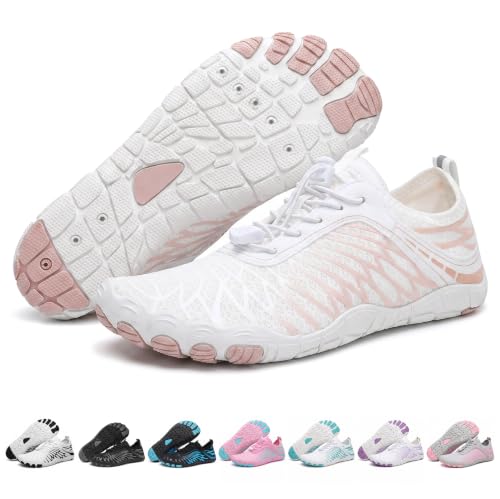
Barefoot Shoes - These Unisex Barefoot Shoes are soft and light, with an elastic band closed design, easy to put on and take off. These essential shoes can take you anywhere you want to go. Our barefoot minimalist shoe gives your feet a true barefoot feel with stretch, which means you can keep relaxed at all times. So you can enjoy the beautiful outdoors while keeping yourself comfortable and fashionable. Many colors and sizes to choose from!
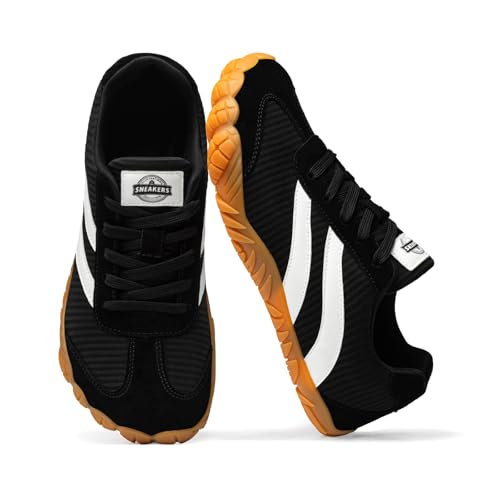
【Barefoot Comfort】Women's zero-drop sneakers with a wide toe box for barefoot-like comfort
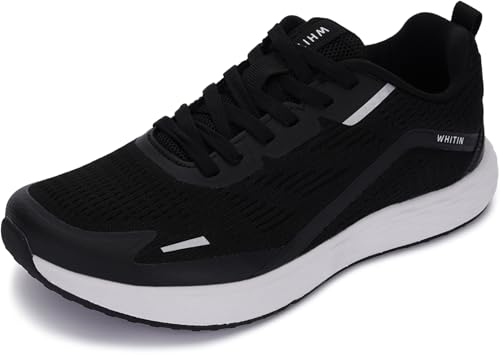
Wide toe box allows your toes to relax and spread out naturally for more comfort and stability
Foot Shape and Size
Foot shape and size play a critical role in determining how much room you need in your running shoes. If you have wider feet, look for shoes labeled as “wide” or “extra wide.” Shoes that are too narrow can pinch your toes, leading to discomfort. Conversely, if your feet are narrow, opt for models that provide a snug fit without excessive pressure.
Consider getting your feet measured regularly as size can change over time. Shoes should accommodate the shape of your foot, allowing for natural movement. Look for a half-inch space between your longest toe and the shoe’s front. That’s a great guideline for comfort and function.
Running Style and Habits
Your running style and habits influence your space requirements as well. If you tend to overpronate, you might benefit from shoes with added arch support and slightly more room. Increased toe space can also help accommodate foot swelling during long runs. If you regularly run on trails, look for footwear that accommodates additional movement and flexibility.
Pay attention to your running rhythm. Runners with a heavier foot strike may need extra cushioning and a secure fit to manage impact. Meanwhile, those with a lighter stride might prefer a more minimal shoe that offers direct ground contact. Adjust your shoe choice to reflect your unique running style for maximum comfort and efficiency.
Testing the Fit
Testing the fit of your running shoes ensures you achieve optimal comfort and performance. Proper space minimizes injury risk and maximizes your running experience.
Methods to Check Room
- Toe Test: While standing, wiggle your toes. If they brush against the front, the shoes are too small. Aim for about half an inch between your longest toe and the shoe’s front.
- Heelfit Check: Securely lace your shoes and try to slide your heel out. If your heel lifts easily, the shoe lacks proper fit.
- Socks Situation: Wear the socks you plan to use while running. This affects the overall fit. Check roominess while wearing these specific socks.
- Walk It Out: Walk around in the shoes for several minutes. Notice any pinching or discomfort. If discomfort appears, reconsider your choice.
- Run Test: If possible, take the shoes for a short jog. Pay attention to how they feel during motion, noting any issues with space or fit.
When to Replace Shoes
Monitor your running shoes regularly for signs of wear. Generally, replace shoes every 300 to 500 miles, depending on use and running style. Consider replacing them if you notice:
- Decreased Cushioning: If you feel more impact while running, the cushioning may have compressed.
- Uneven Wear: Look at the soles. Uneven wear indicates that they’re losing support.
- Distorted Shape: If the shoe changes shape or feels less stable, it’s time for new ones.
- Visible Damage: Cracks, tears, or separation in the upper material can compromise fit and safety.
Paying attention to fit and replacing shoes at the right time enhances your running experience and supports overall health.
Conclusion
Finding the right amount of room in your running shoes is key to enjoying every step of your run. A snug fit with just enough space for your toes can make all the difference in comfort and performance.
Remember to regularly check your shoe fit and listen to your feet. If you notice any signs of discomfort or wear it might be time to reassess your shoes.
With the right fit and timely replacements you’ll not only enhance your running experience but also support your overall health. Happy running!
Frequently Asked Questions
How much space should there be in running shoes?
A proper fit for running shoes should have about half an inch of space between your longest toe and the shoe’s front. This additional room allows for natural toe movement, especially during long runs, helping to prevent discomfort and improve performance.
What signs indicate a poor fit in running shoes?
Signs of inadequate fit include pinched toes, heel slippage, uncomfortable pressure points, and excessive wear on the shoe’s upper. If you notice these issues, it may be time to reassess your shoe size or style to ensure comfort during your runs.
How can I test the fit of running shoes?
To test the fit, perform the toe test by checking if your toes have enough room to wiggle. Ensure your heel fits snugly without slipping and walk or run in the shoes while wearing your running socks. These steps help ensure overall comfort and fit.
When should I replace my running shoes?
It’s recommended to replace running shoes every 300 to 500 miles. Signs that indicate it’s time for new shoes include decreased cushioning, uneven wear, distorted shape, and visible damage. Regularly assessing your shoes can prevent discomfort and injuries.
Does foot shape affect the choice of running shoes?
Yes, foot shape greatly impacts the choice of running shoes. Runners with wider feet may need “wide” or “extra wide” options, while those with narrower feet should look for snug-fitting models. Regularly measuring your feet can help you find the best fit.
